
Redondo Beach Measure ART Explained: What's on the Nov. 3, 2026 Ballot
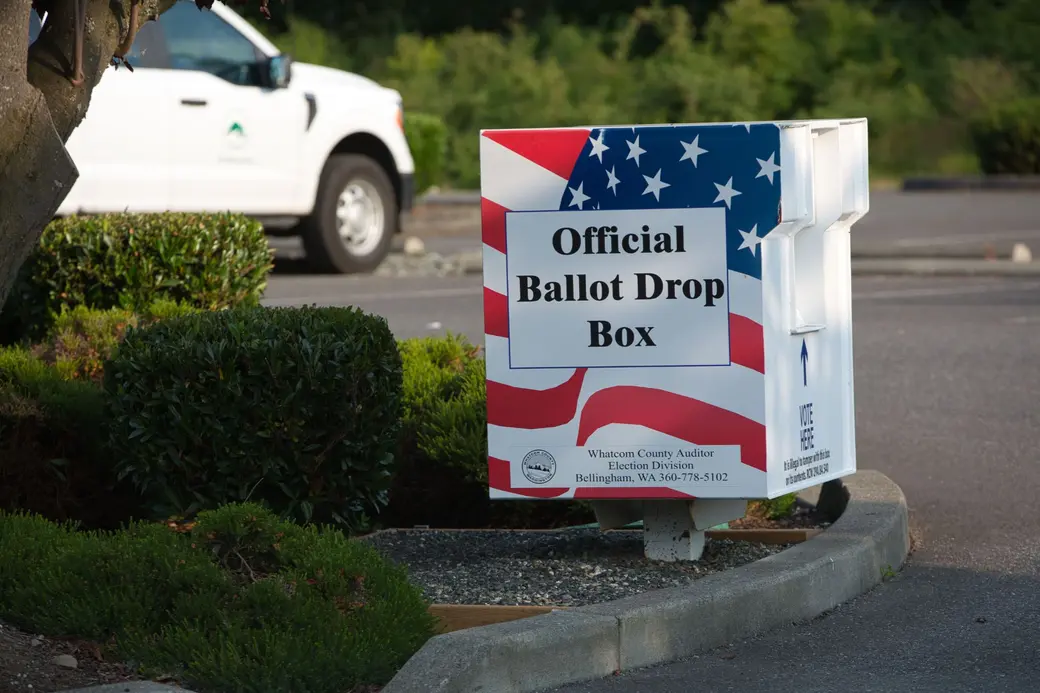
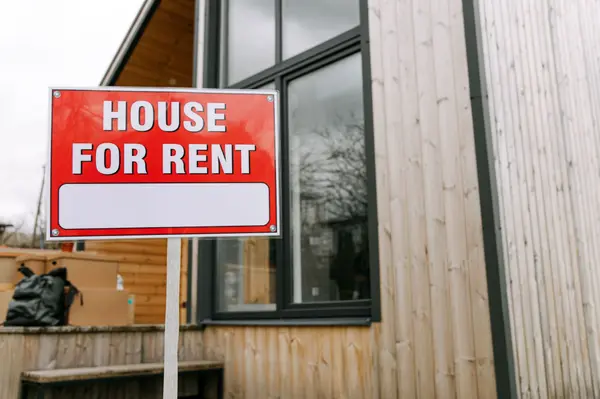
Illustrative stock photo. Photo by Greg Thames on Pexels.
Short answer: Redondo Beach Measure ART is a General Plan and zoning amendment on the Nov. 3, 2026 ballot. It allows more commercial building on Artesia and Aviation Boulevards, parts of Pacific Coast Highway, and industrial land north of Manhattan Beach Boulevard. It also lowers allowed housing density in some places and raises it in others. A simple majority passes it (City Attorney's impartial analysis).
What is Measure ART?
The official ballot question asks whether to amend the Redondo Beach General Plan and Zoning Ordinance "to support increased commercial activity in key areas of the City," including new floor area ratio (FAR) caps, height limits, and rooftop dining along Artesia and Aviation, industrial properties north of Manhattan Beach Boulevard, and certain commercial properties along PCH, and "to reduce the allowed housing density for some residential and mixed-use properties in the City" (City Clerk).
Why is it on the ballot?
Redondo's Charter Article XXVII requires a public vote on certain major changes in allowable land use. The City Council approved the amendments on Aug. 4 and Aug. 11, 2026, and they now need voter approval (full measure text).
What changes on Artesia, Aviation, PCH and north of MB Blvd
FAR is the ratio of a building's floor area to the size of its lot. A higher FAR allows a bigger building on the same lot. The numbers below come from City Attorney Joy Ford's impartial analysis (impartial analysis) and the city FAQ (Measure ART FAQ).
| Area or topic | Today | If Measure ART passes |
|---|---|---|
| Artesia and Aviation: max FAR | 0.6 | 1.5 |
| Artesia and Aviation: height | 30 ft, 2 stories | 45 ft, 3 stories |
| PCH commercial: max FAR | 0.5 | 1.0; some parcels rezoned from mixed-use or residential to commercial |
| Industrial north of MB Blvd: max FAR | 0.7 | 1.0 |
| New zones | None | Mixed-use transit center zone; industrial flex overlay (R&D, incubator, offices, hotels) |
| Housing density | 35 or 28 units/acre in affected areas | 30 units/acre (down in some areas, up in others) |
| Coastal zone parts | Current rules | Take effect only after California Coastal Commission approval |
| Public institutional zones (schools, Civic Center, Beach Cities Health District) | Current rules | No change; measure does not apply |
| Required new housing units | None | None; the city FAQ says it does not require additional units |
Rooftop dining would need an Administrative Use Permit and would count toward floor area, per the full measure text (measure text). Some Artesia and Aviation areas would become neighborhood commercial, per the impartial analysis.
What supporters and opponents say
Mayor Jim Light and four council members signed the argument in favor. Councilman Zein Obagi Jr. told Easy Reader: "Giving a reason for a building to be reconstructed, or tear it down… Right now there is no reason; you can't build anything bigger than you have" (Easy Reader).
The official argument against says the 53-page measure "combines commercial, residential, inland, and coastal changes affecting separate corridors and neighborhoods into one all or nothing vote" (South Bay Tide).
What does it cost to put it on the ballot?
Putting it on the Nov. 3 ballot costs about $250,000, according to L.A. County Elections and City Clerk Eleanor Manzano, via Easy Reader. Holding it at a later city election would have cost an estimated $30,000 to $50,000. Obagi said, "The difference is worth it, considering the commercial economic stimulus to North Redondo we intend on achieving" (Easy Reader).
What a yes or no vote means
A yes vote adopts the General Plan and zoning changes above. A no vote keeps the rules we have today. This post explains the measure; it is not a recommendation, and it is not legal or tax advice. Read the full text and the City Attorney's impartial analysis on redondo.org.
Where to vote in Redondo
Drop boxes are open 24 hours through 8 PM Nov. 3, including the Main Library (303 N. PCH) and the North Branch Library (2000 Artesia Blvd). Vote centers include Aviation Park Gymnasium (1935 Manhattan Beach Blvd) and Alta Vista Park Community Center (715 Julia Ave) (City Clerk; Patch).
FAQ
What does Measure ART do?
It amends Redondo's General Plan and zoning to allow more commercial development on Artesia/Aviation, parts of PCH, and industrial land north of MB Blvd, and adjusts allowed housing density in some areas.
How many votes does Measure ART need?
A simple majority, per the City Attorney's impartial analysis.
How tall could buildings on Artesia get?
Up to 45 feet and three stories, up from 30 feet and two stories, with max FAR rising from 0.6 to 1.5.
Does Measure ART require new housing?
No. The city FAQ says it does not require additional housing units. Density goes down in some areas and up in others.
Does it apply in the coastal zone right away?
No. Coastal zone changes need California Coastal Commission approval before they take effect.
Why does it cost $250,000?
That is the estimated cost to place it on the Nov. 3 ballot, versus $30,000 to $50,000 at a later city election, per Easy Reader.
Sources
- South Bay Tide, Oct. 19, 2026 (citing the Daily Breeze, Oct. 14, and the City Attorney's impartial analysis)
- City of Redondo Beach, City Clerk: Upcoming Elections
- City of Redondo Beach: City Attorney's Impartial Analysis of Measure ART
- City of Redondo Beach: Full Ballot Text for Measure ART
- City of Redondo Beach: Measure ART Frequently Asked Questions (Oct. 13, 2026)
- Patch: Redondo Beach Voter Guide 2026
- Easy Reader: Measure ART looks to induce development on Artesia Blvd
- Easy Reader (Garth Meyer, Oct. 8): About Town, Measure ART cost
Last updated: October 26, 2026
Categories
Recent Posts